
Last updated September 20, 2026
Free on-site gate assessment - hinges, posts, and your LiftMaster or Nice gate operator checked before anything is quoted
The assessment is free and the quote is the invoice.
 Before
 After
After Before
 After
After Before
 After
AfterSeasonal Gate Repair Care for Huntington Beach: Year-Round Homeowner’s Guide
Huntington Beach doesn’t hand you four tidy seasons. What it hands you is three distinct coastal stress windows, and a salt-drift cycle that never clocks out. The February task of lubricating a gate’s chain drive means almost nothing if the technician didn’t first clear the drain channels around the motor housing that collected October rain. By spring, standing water has already corroded the control board terminals from below. Our Complete Guide to Gate Repair in Huntington Beach maps maintenance to the conditions that actually cause failures here, so you’re not doing calendar-driven busywork while the real damage happens somewhere else.
Quick Answer
Gate repair care in Huntington Beach means inspecting rain-seal integrity and drainage paths during winter storms (November through February), replacing UV-degraded rubber seals and testing photocell lenses in spring (March through May), and checking thermal expansion on travel limits plus motor housing temperatures in summer (June through September). Year-round, salt-drift terminal inspection belongs on every seasonal list, regardless of month, because coastal air corrodes electrical connections continuously, not seasonally.
Table of Contents
- Winter Storm Surge: Rain Infiltration and Seal Inspection
- Spring UV Exposure: Seals, Lenses, and Loop Detectors
- Summer Heat-Soak: Travel Limits, Motor Housings, and Battery Backup
- Year-Round Salt Drift: Terminal and Connector Inspection
- How to Build a Property-Specific Seasonal Log
- What Seasonal Gate Repair Care Costs in Huntington Beach
- Common Mistakes to Avoid
- When to Call a Professional
- Frequently Asked Questions
- The Bottom Line
This guide covers the specific failure patterns we see in Huntington Beach, from the south-facing gates near Edwards Hill that bake all afternoon to the properties within a half-mile of Pacific Coast Highway where salt terminals oxidize noticeably faster. We service nine automation brands including Ghost Controls, DoorKing, and Mighty Mule, so the maintenance logic below applies whether your gate swings, slides, or runs on a solar panel. For a broader look at what we handle, start with our Gate Repair in Huntington Beach page.
 Before
 After
AfterWinter Storm Surge: Rain Infiltration and Seal Inspection
Winter in Huntington Beach is not about freezing temperatures. It is about water. From November through February, storms push rain horizontally into motor housings, control enclosures, and junction boxes. The gate may keep working fine for weeks after a storm while water sits inside the enclosure, slowly attacking the control board terminals. By the time the gate fails in March, the homeowner assumes the spring weather did something. In our experience, the damage was done during the first heavy rain.
Here is what actually matters on a winter gate inspection in Huntington Beach:
- Motor housing gasket condition: The rubber gasket between the motor housing and its lid is the first line of defense. After three or four coastal winters, it compresses and loses elasticity. Press on it with a fingernail. If it does not spring back, it is no longer sealing.
- Drain channels and weep holes: Most motor housings have small weep holes at the bottom designed to let condensation escape. If those holes are clogged with spider webs, dust, or rust scale, water accumulates instead of draining.
- Control enclosure orientation: Some enclosures in Huntington Beach face the prevailing storm direction, which means wind-driven rain hits the door seal directly. A simple drip shield or reorientation can prevent a failure that would otherwise require a new control board.
- Underground conduit entries: Where sensor and keypad wires enter the ground, gaps around the conduit allow water to follow the wire into the enclosure. Seal these entries with duct seal compound.
- Photo-eye lens fogging: Storms push moisture into the photo-eye housing. If the lenses fog after rain, the infrared beam diffuses and the gate may refuse to close or reverse unexpectedly.
- After the first significant storm of the season, open the motor housing and check for any standing water or corrosion trails.
- Clear every weep hole with a small pick or compressed air. Do not enlarge them.
- Press-test the housing gasket on three sides. If it feels rigid or shows cracks, schedule replacement.
- Check the photo-eye lenses for fogging or water droplets inside the housing.
- Seal any visible gaps around conduit entries with duct seal compound.
- Photograph everything before closing the housing so you have a baseline record for the next season.
At Vance Gate Repair Huntington Beach, we photograph every adjustment and file it in the job record. That means next winter’s inspection starts from what we found this winter, not from memory. We also work on Gate Motor & Opener in Huntington Beach systems from DoorKing, Elite, Ghost Controls, and six other brands, so the winter checklist applies regardless of what motor is bolted to your property.
Spring UV Exposure: Seals, Lenses, and Loop Detectors
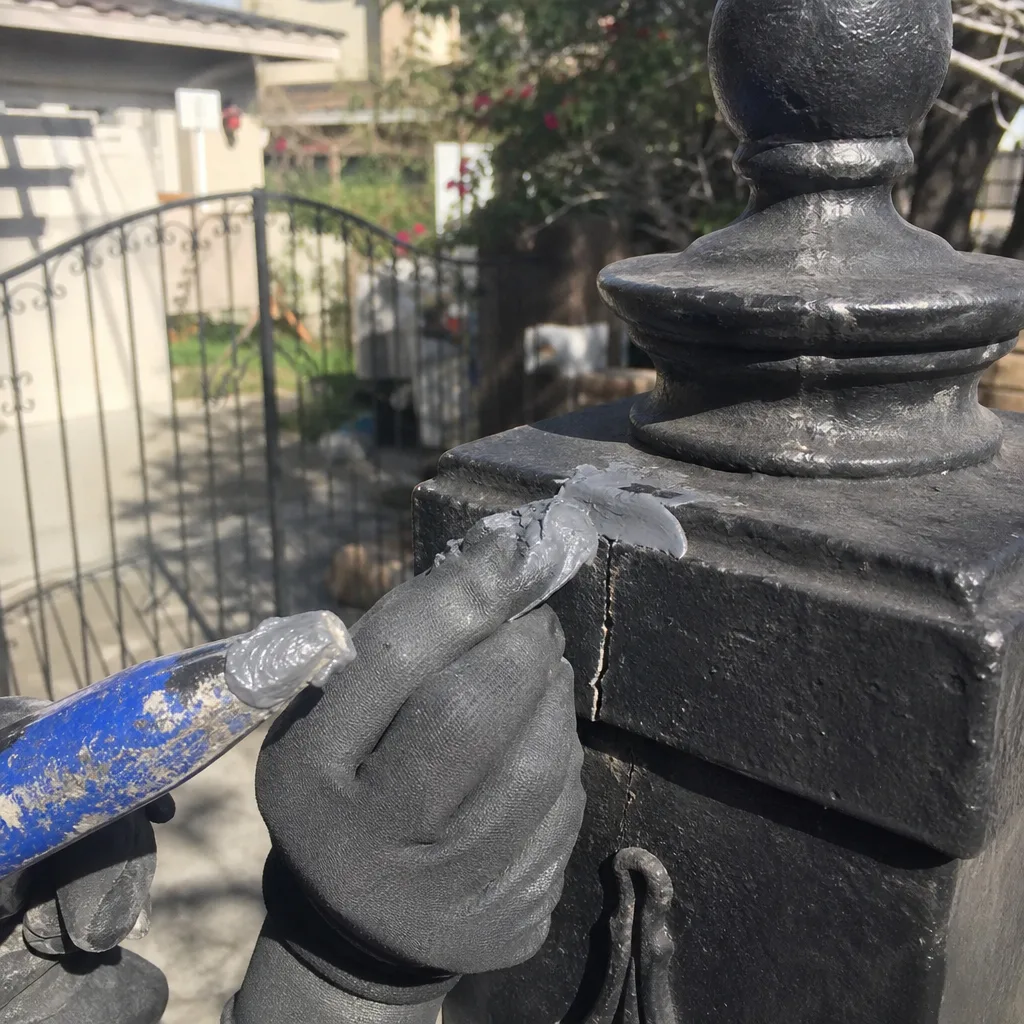
Spring in Huntington Beach is the season of rubber degradation. From March through May, the marine layer burns off by mid-morning and the sun works on every polymer component on your gate: seals, gaskets, photocell lens covers, keypad membranes, and wire insulation. Rubber and plastic are not permanent materials. They are wear items with a UV budget, and coastal sun spends that budget fast.
The specific failure points to check in spring:
- Rubber edge seals on swing gates: These seals protect the gate edges from moisture and reduce clanging. After two or three Huntington Beach springs, they crack, shrink, and pull away from the metal frame.
- Photocell lens covers: UV exposure hazes the clear lens covers over time. A hazed lens reduces the infrared beam intensity. The gate’s safety circuit misreads the weak signal as an obstruction and refuses to close, or worse, the system gets bypassed by a technician who does not understand the cause.
- Loop detector sensitivity: Spring is the right time to test loop detector sensitivity because summer brings peak gate traffic. Kids are home, deliveries increase, and the gate cycles more times per day. If the loop detector was marginal in March, it will fail intermittently in July.
- Keypad membranes and faceplates: UV makes keypad buttons brittle. They crack at the corners first. Once a membrane crack opens, salt air and moisture get behind the faceplate and attack the switch contacts.
- Gate finish and powder coat: Hairline cracks in the powder coat expose the steel underneath. In coastal Huntington Beach, that exposure turns into rust bloom within one season.
What a Spring Loop Detector Check Looks Like
- Drive a test vehicle, ideally a smaller car and a larger truck, over the loop in both directions at slow speed.
- Watch the gate response. It should trigger reliably and hold open while the vehicle clears the swing path or slide track.
- Adjust sensitivity only if the detector misses small vehicles or triggers on cross-traffic. A detector set too high picks up the car in the adjacent lane and holds the gate open unnecessarily.
- Document the sensitivity setting in writing so the next adjustment starts from a known number, not a guess.
One thing that surprises homeowners: spring is the best window for a Gate Installation in Huntington Beach if you are considering replacing an aging gate. The ground is dry enough for concrete work, and the new gate has three months to settle into its travel limits before summer heat changes the geometry. Vance Gate Repair Huntington Beach provides a written price before any work starts, so you know the full scope before you commit.
Summer Heat-Soak: Travel Limits, Motor Housings, and Battery Backup
Summer is when thermal expansion changes the shape of your gate. Steel grows measurably in heat. A 16-foot steel gate that is perfectly aligned at 70 degrees will be slightly longer at 95 degrees, and that extra length has to go somewhere. Usually it goes into the closed position, which means the gate presses harder against the stop, or into the hinges, which changes the swing arc. That is why gates that worked fine in May suddenly stall, hit the post, or reverse themselves in August.
The summer-specific checklist for Huntington Beach, where west-facing installations take the worst of it:
- Travel limit adjustment: If the gate is stalling partway through its cycle or slamming into the closed stop, thermal expansion has changed the travel geometry. The limit switch may need a few degrees of adjustment. This is a mechanical setting, not a guess-worthy repair. Too much adjustment damages the motor, too little leaves the gate misaligned.
- Motor housing temperature: West-facing motor housings in Huntington Beach can reach internal temperatures over 140 degrees on an August afternoon. Most residential gate motors are rated for a maximum ambient operating temperature. Exceed it repeatedly and the thermal overload circuit starts tripping. The gate works in the morning and fails by 3 p.m. That failure pattern is almost always heat-soak.
- Battery backup capacity testing: Summer is the season of rolling brownouts and grid stress. A battery backup that has not been load-tested in two years may hold voltage while idle but collapse the moment the opener actually tries to move the gate under load. Test it under real operating conditions, not just with a multimeter at rest.
- Photo-eye bracket alignment at peak heat: Metal brackets expand too. A photo-eye that is aligned in the morning can drift out of alignment by late afternoon when the bracket heats up. This produces the classic “gate closes partway, then reverses” behavior.
- Solar panel output verification on solar-powered gates: Summer should be peak production season. If the battery is not reaching full charge by noon, the panel is soiled, shaded, or failing. Do not wait until winter’s shorter days to discover this.
- White or green powder forms on brass and copper terminals. At this stage, resistance is still low and the system works fine.
- The corrosion creeps under the wire insulation and starts attacking the conductor strands. The wire still conducts, but its effective cross-section shrinks.
- Terminals begin showing intermittent connection issues: the gate works normally, then refuses to open, then works again an hour later. This is oxidation breaking and remaking contact.
- The connection fails completely, often burning the terminal block and requiring a new control board rather than a cleaning.
- Record orientation and sun exposure: Note which direction the gate faces, when the motor housing gets direct sun, and when it enters shade. Southwest-facing gates in Huntington Beach get the longest heat-soak. East-facing gates cool earlier in the day.
- Measure proximity to salt water: Use your street address. Properties within a half-mile of the ocean are in the high-salt zone. Properties east of Edwards Street are in a moderate zone. This determines how often terminal inspection happens.
- Note tree cover and debris sources: Eucalyptus, palm, and pepper trees drop different material. Eucalyptus leaves are oily and coat metal surfaces. Palm fibers clog weep holes. Write down what your gate collects.
- Photograph the baseline: Take clear photos of the motor housing interior, the control board, the terminals, and the photo-eye brackets. Date the photos. This is your reference point.
- Log every adjustment and replacement: When a limit switch is adjusted, a seal replaced, or a terminal cleaned, write it down with the date and the part number. The log builds a drift history that tells you when a component is failing gradually rather than suddenly.
- Set inspection reminders by condition, not calendar: High-salt zones: terminals inspected every 60 to 90 days. West-facing gates: motor housing temperature checked every June and August. Gates with tree cover: weep holes cleared after every wind event.
- Seasonal inspection and adjustment (single gate): $120 to $220, depending on gate type and automation complexity.
- Motor housing gasket replacement: $35 to $90 in parts, plus labor if combined with an inspection.
- Photo-eye cleaning and realignment: $60 to $120 as a standalone service; included with inspection.
- Terminal cleaning and anti-oxidant treatment: $45 to $110, depending on enclosure condition.
- Battery backup replacement: $80 to $250, depending on the battery type and opener brand (Ghost Controls, DoorKing, Elite, Mighty Mule all use different packs).
- Full seasonal service with written report and photo log: $180 to $340, depending on gate complexity and whether repairs are needed.
- Waiting for the gate to fail before scheduling maintenance. Most Huntington Beach gate failures are the end stage of a slow process measurable months earlier. Corrosion, seal degradation, and limit drift all leave evidence. The cheapest repair is the one that happens before the control board burns.
- Ignoring the weep holes. The most common cause of winter motor housing failure is not failed gaskets. It is clogged weep holes that trap condensation and storm water inside the housing. A 30-second cleaning prevents a $400 control board replacement.
- Testing battery backup with a multimeter instead of under load. A battery can show 13.2 volts while idle and collapse to 6 volts the moment the motor draws current. Load-test the backup running the gate through a full cycle, not measuring it at rest.
- Treating the photo-eye as a nuisance instead of a safety device. When a photo-eye gets hazy or misaligned, some homeowners or handymen disable it rather than clean it. That eliminates the gate’s primary safety obstruction system. Clean the lens, realign the bracket, and leave the safety circuit intact.
- Using the same generic checklist every season. A February checklist that does not include rain path inspection is calendar busywork. A July checklist that does not include thermal travel drift misses the actual summer failure mode. Match the checklist to the coastal conditions in Huntington Beach.
- Assuming salt corrosion only matters within a few blocks of the ocean. The onshore flow carries salt inland for miles. We have cleaned badly corroded terminals on gates east of the Santa Ana River. Distance matters, but so does prevailing wind alignment.
- Forgetting to photograph the baseline. Without a dated photo of the motor housing interior and terminal block, you cannot tell next season whether the corrosion is advancing or stable. The photo log is the cheapest diagnostic tool on the property.
If you have a Mighty Mule or Ghost Controls opener with a solar panel, clean the panel surface in June. A thin film of salt dust from the ocean breeze reduces output by 10 to 15 percent. Rinse with water, wipe with a soft cloth, and check the charge light cycle the next afternoon.
Year-Round Salt Drift: Terminal and Connector Inspection
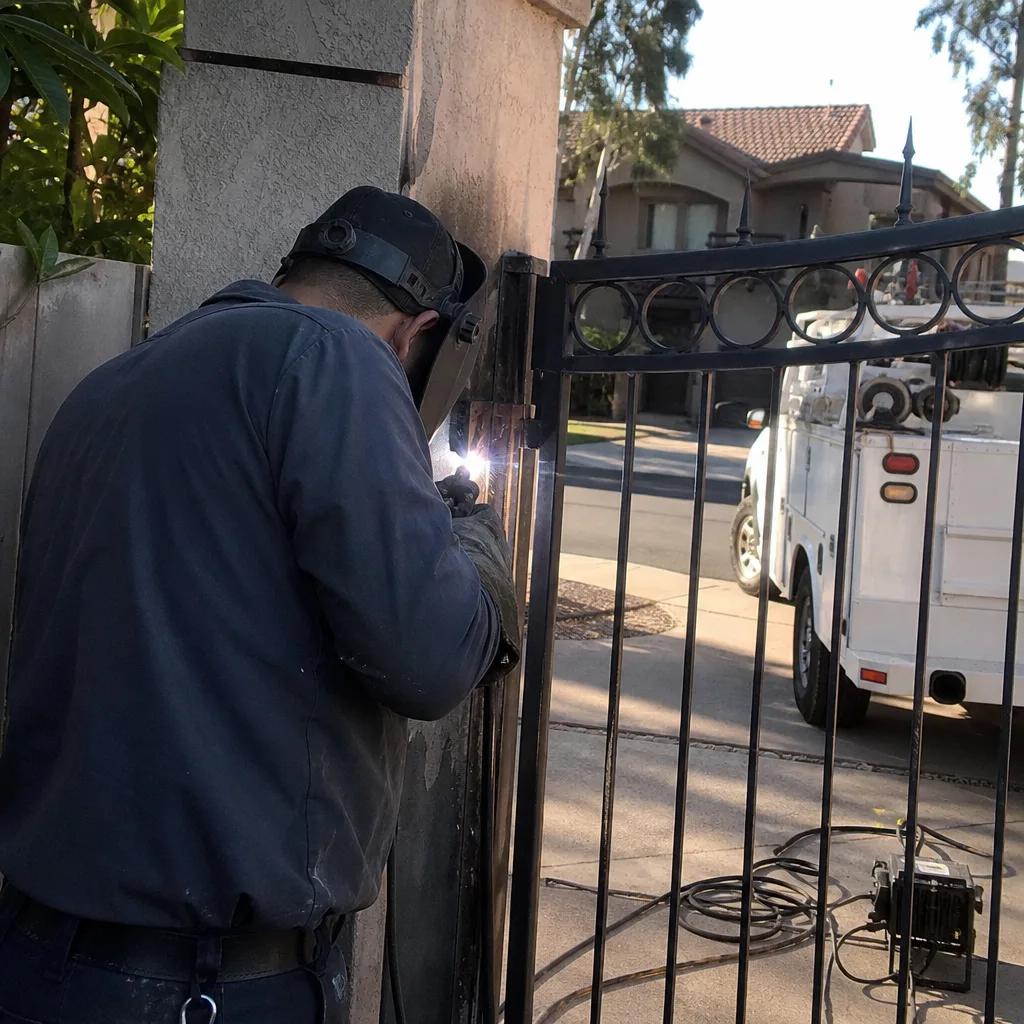
Here is the maintenance task that belongs on every seasonal list in Huntington Beach: terminal and connector inspection. Salt does not take a season off. It is in the air every day, carried inland by the onshore flow, and it settles on every exposed electrical surface. The closer your property sits to Pacific Coast Highway, the faster terminals oxidize. We have opened control enclosures in homes three blocks from the water that looked worse than enclosures ten blocks inland that were twice as old.
Salt corrosion works in stages:
The fix at stage one or two is straightforward: disconnect power, clean the terminals with a proper contact cleaner, apply an anti-oxidant compound, and torque the screws to spec. That takes one technician about 20 minutes. The fix at stage four takes hours and costs hundreds more. This is why terminal inspection is a year-round task, not an annual one.
At Vance Gate Repair Huntington Beach, we photograph every terminal block we inspect and file the images in the job record. Under Clause 4 of The Haven Standard, every visit includes a documented photo record at no additional charge. That means when we open an enclosure in July, we can compare it to what it looked like in February and see whether the corrosion is advancing faster than expected for your distance from the coast.
How to Build a Property-Specific Seasonal Log
A generic seasonal schedule tells you to “inspect the gate in spring.” That is almost useless for a Huntington Beach property where the gate faces west into the sunset, or where a neighbor’s tree shades the motor housing until 2 p.m., or where the property sits within 500 yards of the ocean. See our DIY vs Professional Gate Repair guide for help deciding when to call a technician. The conditions at your gate are not the conditions at a gate three streets inland. Your maintenance schedule should reflect your gate’s actual exposure, not an average.
Here is how to build a useful seasonal log for your specific gate:
We build this log for our customers on their first visit and update it on every service call. The homeowner keeps a copy. When a future technician from any company opens the enclosure, they see what was found, what was set, and what was installed, with photos. Nobody pays twice to rediscover the same problem. For a deeper look at what we service across the city, see our Vance Gate Repair Huntington Beach home page.
What Seasonal Gate Repair Care Costs in Huntington Beach
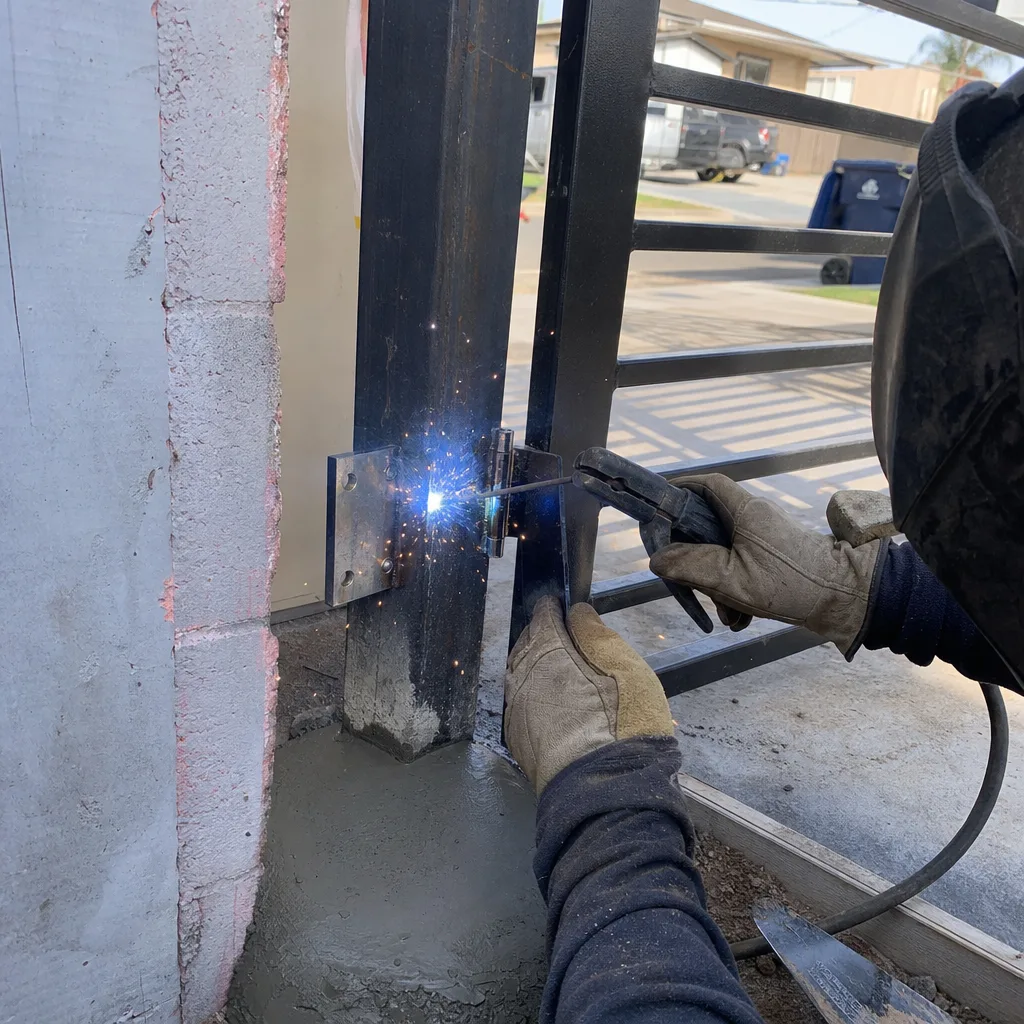
Preventive maintenance costs less than reactive repair, and the numbers are predictable. Here is what seasonal gate care typically runs in Huntington Beach, based on our service records across the city:
Every one of these prices is quoted and agreed in writing before any work starts. That is Haven Standard Clause 1, and it applies to every visit we make in Huntington Beach, from a simple terminal cleaning to a full gate replacement. You will not open an invoice at the end and find a number you did not approve up front.
Common Mistakes to Avoid
When to Call a Professional
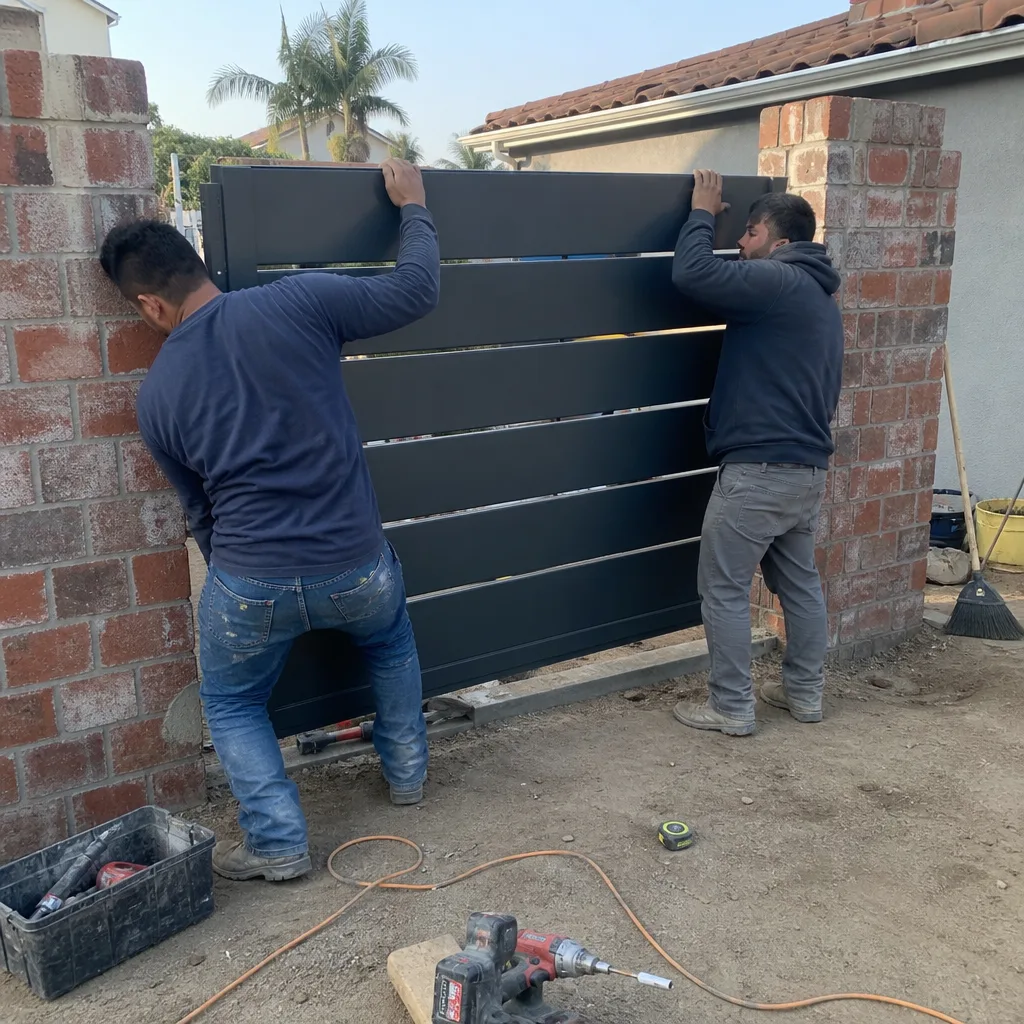
Call a gate repair professional when you see white or green corrosion on any terminal, when the gate stalls or reverses only during peak heat, when the motor housing feels hot to the touch after a normal cycle, when the photo-eye lens is cracked or the bracket is bent, or when the gate has been through a winter storm and water was visible anywhere near the enclosure. These are conditions where guessing costs more than a service call. Vance Gate Repair Huntington Beach offers free estimates in Huntington Beach. Call (657) 271-2877 and a live person answers, at any hour.
Frequently Asked Questions
Twice a year is the right baseline for most Huntington Beach gates: once after the first winter storm to check rain-related damage, and once in late spring before summer heat-soak begins. Properties within a half-mile of the ocean should add terminal and connector inspection every 60 to 90 days because salt corrosion advances continuously regardless of season. Call (657) 271-2877 and we will build a schedule specific to your gate’s orientation and location.
Salt air deposits a conductive film on terminals and connector pins. That film accelerates oxidation, which raises electrical resistance at every connection point. Over time, the resistance creates heat at the terminal, and eventually the connection fails intermittently, then permanently, often taking the control board with it. The fix is regular cleaning and anti-oxidant treatment, which costs a fraction of a control board replacement. Call (657) 271-2877 for a free inspection and written estimate.
Afternoon-only summer failures are almost always heat-soak related. The motor housing and the gate metal itself expand in the afternoon sun, changing the travel geometry and tripping the thermal overload circuit. West-facing gates in Huntington Beach are the most vulnerable. The fix starts with checking travel limits and motor housing temperature at peak heat, not with replacing the motor. Call (657) 271-2877 for a written diagnosis before you buy parts.
Yes, but not because the gate will blow over. The concern is rain infiltration into the motor housing and control enclosure. Water that sits inside a sealed enclosure corrodes terminals and control boards from below. The fix is leak inspection, gasket testing, and weep hole clearing after the first significant storm of the season. Call (657) 271-2877 and we will inspect the enclosure before the damage compounds.
Vance Gate Repair Huntington Beach services nine major gate-automation brands: LiftMaster, FAAC, BFT, Linear, Viking, Ghost Controls, DoorKing, Elite, and Mighty Mule. We do not steer customers toward replacement when repair is the right service. Our technicians document the existing wiring and settings before making changes, so your brand’s existing configuration is preserved. Contact us at Gate Repair in Huntington Beach for more detail.
Seasonal inspections are scheduled, not dispatched as emergency calls, because they involve a full written report and photo log. In most Huntington Beach neighborhoods we can schedule within one to two business days. If the gate has actually stopped working, that is a repair situation and we treat it with urgency. Call (657) 271-2877 and a live person answers 24/7, with no voicemail loop.
The Bottom Line
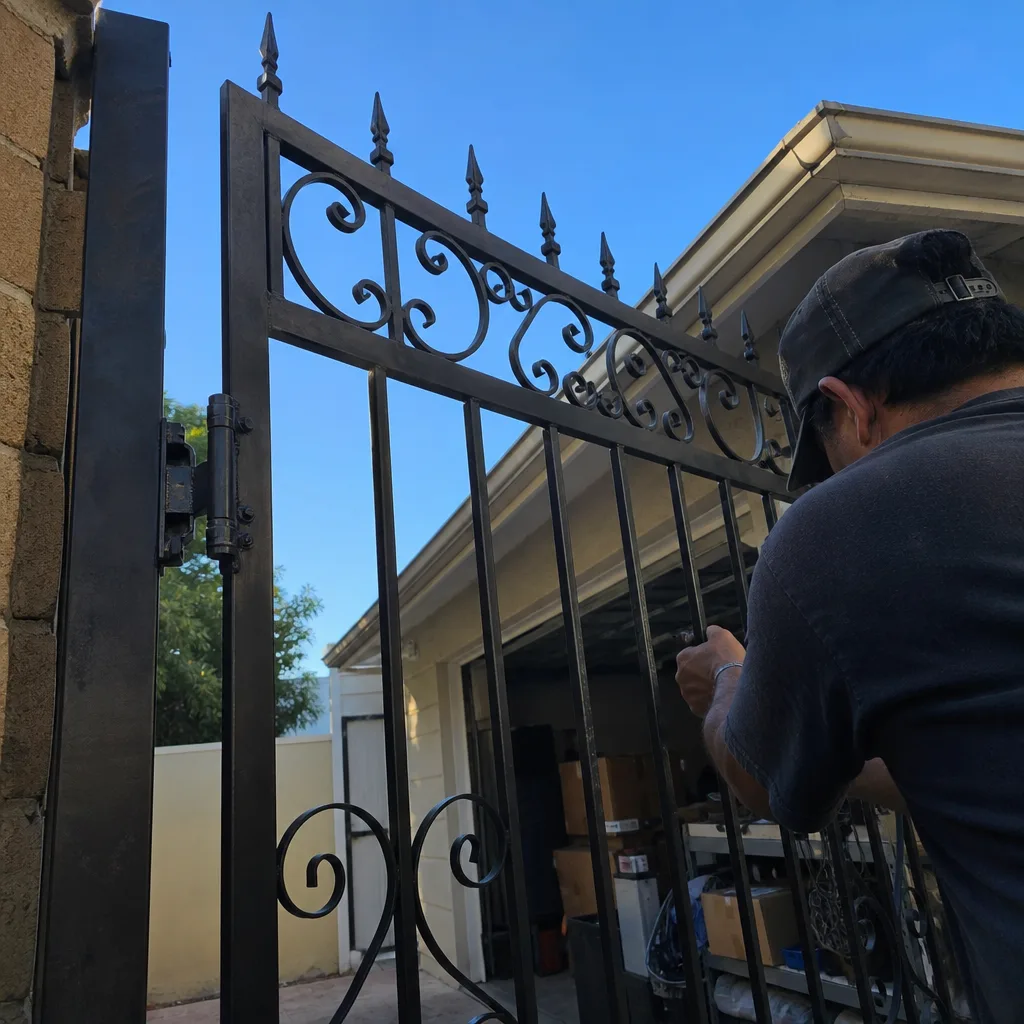
Huntington Beach gates live in a coastal environment that never stops working on them. Winter pushes water into enclosures. Spring bakes rubber seals and hazes photo-eye lenses. Summer stretches steel and overheats west-facing motor housings. Salt corrosion runs all year, faster near the coast, slower inland, never pausing. A seasonal schedule built around these actual stress windows, documented with photos and written records, keeps a gate running for years instead of failing by surprise. The alternative is paying to rediscover the same problem twice. Call Vance Gate Repair Huntington Beach at (657) 271-2877 for a free estimate and a written price before any work starts. That is the Haven Standard, and it applies to every visit we make in Huntington Beach. For more guides & resources, visit our blog.
Written by Adrian Vance, Owner at Vance Gate Repair Huntington Beach, serving Huntington Beach since 2014.